
1. The Importance of Oil Quality in Engine Performance
Engine oil is not just a lubricant; it plays a crucial role in cooling, preventing rust, and protecting various parts of the engine in a car. However, when engine oil becomes contaminated, it can significantly affect the engine’s performance. Contaminants in the oil can come from various sources such as dirt, metal debris from engine parts, or old oil that hasn’t been replaced in time. When engine oil contains contaminants, it can cause the engine to operate inefficiently and increase the risk of serious damage to critical components.
1.1. Why Are Contaminants in Oil a Threat to the Engine?
Contaminants in engine oil reduce its ability to lubricate and cool the engine parts, resulting in increased friction between components. This not only damages parts like the pistons, crankshaft, and valves but also raises the operating temperature of the engine. When the engine operates under conditions of inadequate lubrication, its performance decreases, and fuel consumption increases. Furthermore, if not addressed in time, contaminants in the oil can cause severe damage, reducing the engine’s lifespan.
2. Common Contaminants in Engine Oil and Their Effects
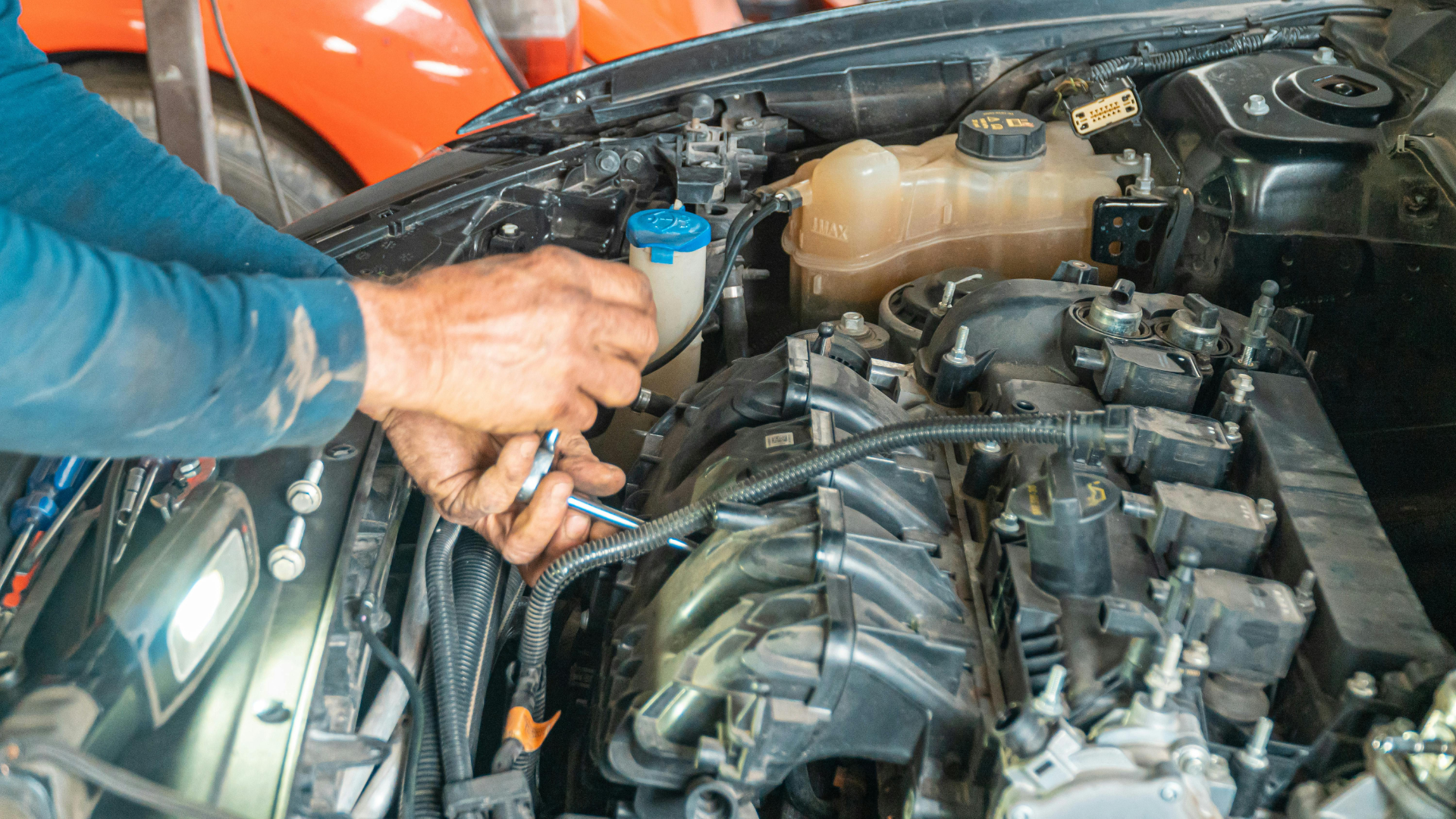
Engine oil can contain several types of contaminants, ranging from dirt and water to small pieces of metal. Each of these contaminants has different impacts on the car engine, and if left unchecked, they can lead to serious issues.
2.1. Dirt and Environmental Contaminants
Dirt and other environmental contaminants are common causes of oil contamination. As the car moves on the road, small dust particles can enter the engine system through openings, contaminating the oil. These contaminants reduce the oil’s effectiveness in lubricating and cooling, causing the engine to overheat and operate less efficiently. At the same time, these tiny particles can wear down engine parts, reducing the engine’s lifespan and increasing maintenance costs.
2.2. Sludge and Metal Wear Debris
During engine operation, parts such as pistons, crankshafts, and valves can wear down, producing small metal debris and sludge. These contaminants mix with the oil and circulate throughout the engine, increasing friction and reducing lubrication efficiency. When the oil contains too much metal debris, the engine has to work harder to maintain performance, leading to increased fuel consumption and reduced component life. This can eventually result in serious problems, such as engine failure and costly part replacements.
3. How to Minimize the Impact of Contaminants in Oil on Engine Performance
To maintain optimal engine performance and extend its lifespan, regular oil changes are crucial. Additionally, using high-quality oil and equipping the engine with effective oil filters can help minimize the impact of contaminants.
3.1. Regular Oil Changes and Using High-Quality Oil
Changing the oil regularly is one of the simplest yet most effective ways to protect the engine from contaminants. High-quality engine oil is more resistant to contamination and breakdown under harsh working conditions. Car owners should follow the manufacturer’s recommended oil change schedule to ensure that the engine is always properly protected.
3.2. Using Effective Oil Filters
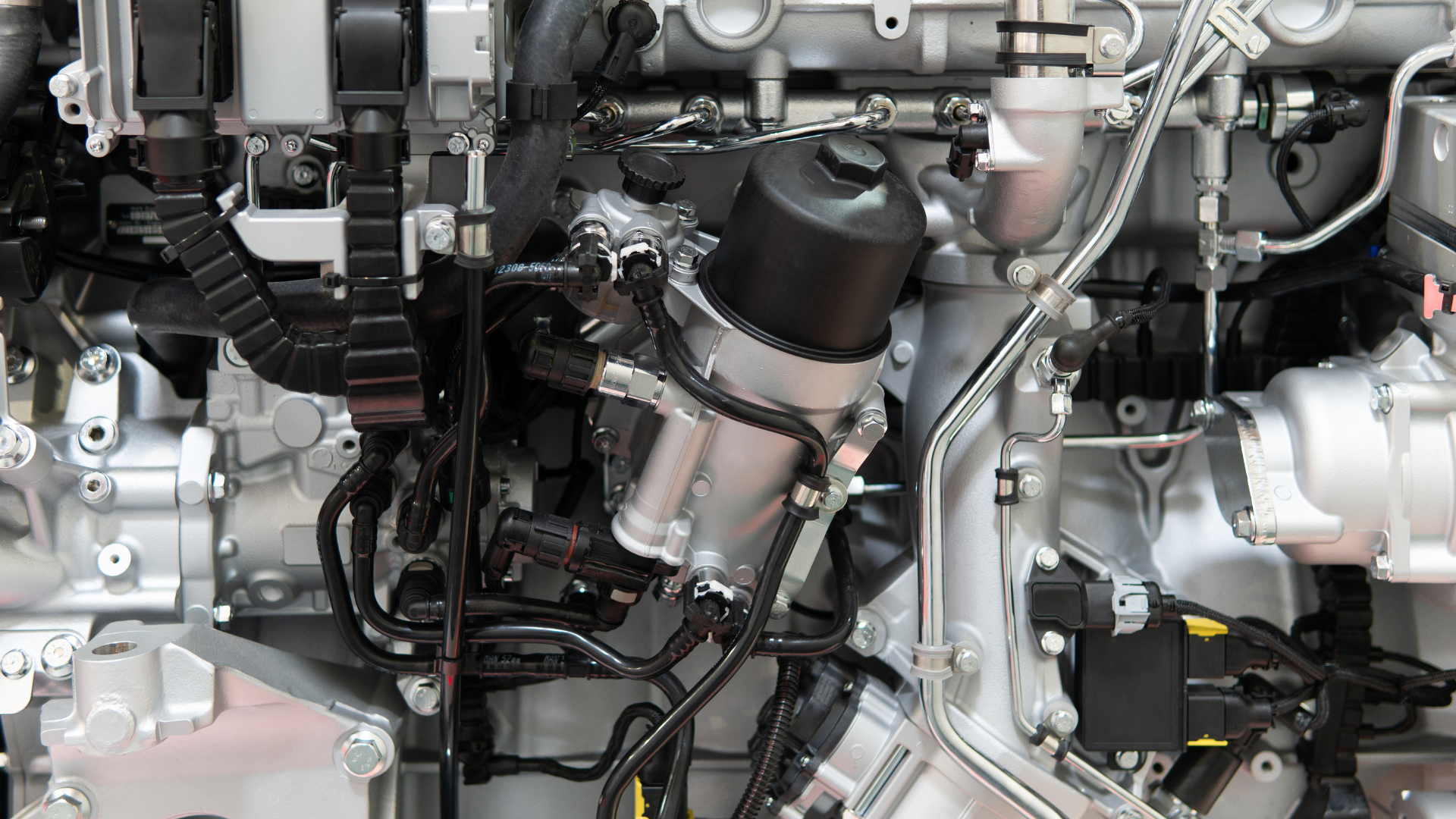
Oil filters are vital in removing contaminants and sludge from the oil, ensuring that it stays clean and continues to lubricate efficiently. Replacing the oil filter regularly is also crucial for protecting the engine and preventing harmful contaminants from damaging critical engine components.
Conclusion
Contaminants in engine oil can have a significant impact on the performance and lifespan of a car engine. By changing the oil regularly and using effective oil filters, you can protect the engine from harmful contaminants and maintain optimal performance. Don’t let small contaminants damage your engine—proper care and maintenance will ensure its longevity and efficient operation.