
1. Harsh operating conditions cause oil to degrade faster than under standard cycles
Recommended oil change intervals are typically based on standard conditions—moderate climate, average load, and stable operating temperatures. However, vessels operating offshore or in extreme environments such as high humidity, constant heat, and exposure to salt air, place additional stress on the engine. These factors accelerate oil degradation, reducing its lubricating and protective capabilities long before it reaches the manufacturer’s recommended service interval. In such conditions, sticking strictly to the standard interval can leave your engine underprotected when it needs support the most.
2. Prolonged heavy loads increase pressure on the lubrication system
When a vessel regularly carries heavy cargo or operates under sustained load, internal engine components face increased pressure and higher temperatures. The oil must work harder to maintain a strong and consistent film between metal surfaces. If oil is used beyond its effective life in these high-stress conditions, its ability to lubricate and protect declines sharply. Changing oil earlier helps maintain optimal lubrication, reduce metal-on-metal contact, and avoid premature wear to critical components such as pistons, crankshafts, bearings, and cylinders.
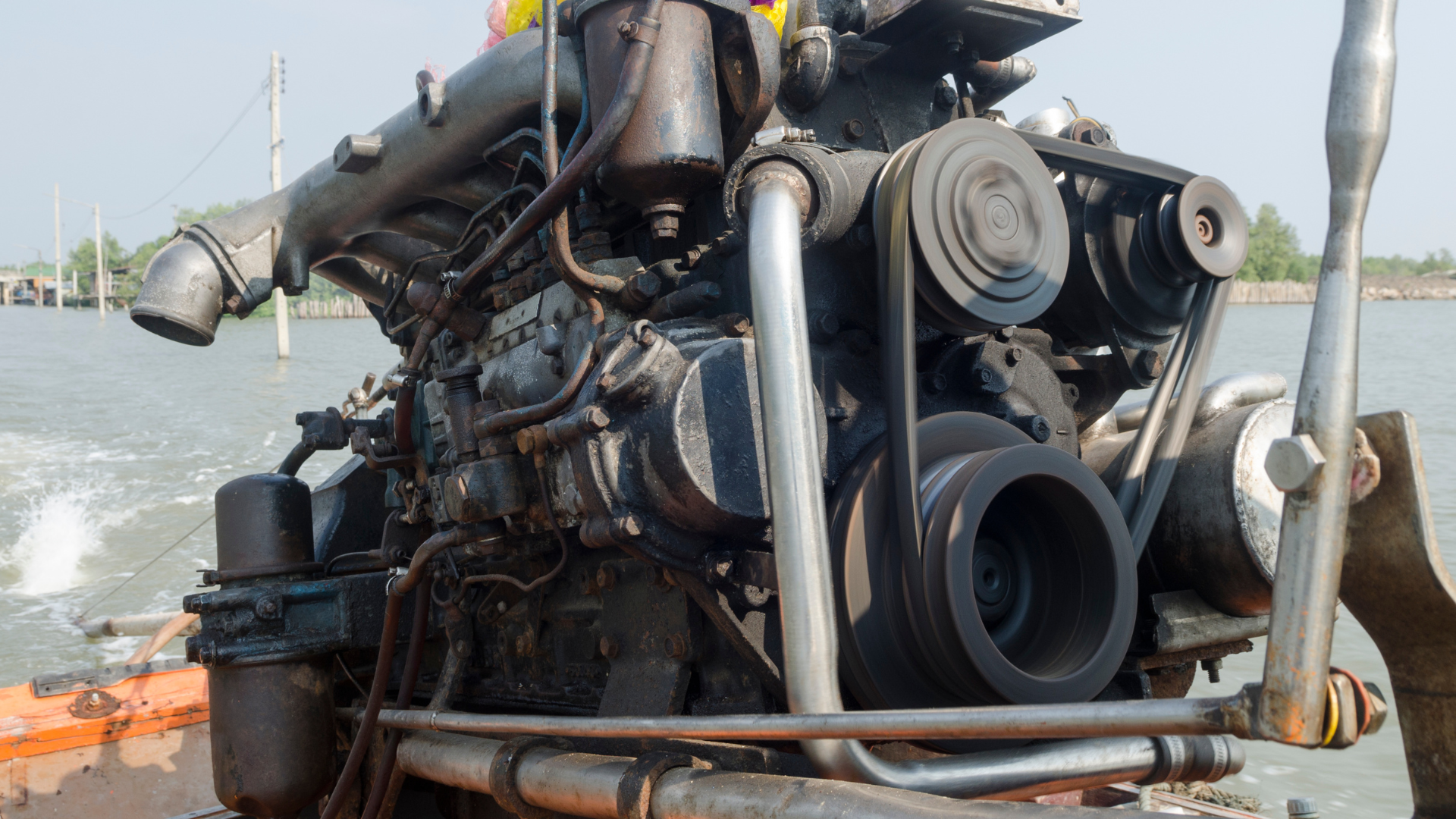
3. Contaminants build up quickly under heavy-duty use, risking clogs and reduced system efficiency
In tough working conditions, oil becomes contaminated faster with soot, metal particles, and moisture—especially in marine environments. Once the level of contaminants exceeds the oil’s dispersant capability, sludge and deposits begin to form. These can clog filters and restrict oil flow, leading to reduced pressure and inadequate lubrication throughout the system. Changing the oil earlier than usual ensures the system stays clean, maintains optimal flow, and avoids performance drops or potential engine failure during extended voyages.
4. Early oil changes offer a chance to detect early warning signs inside the engine
Each oil change is also a valuable diagnostic opportunity. Used oil can reveal early indicators of internal issues, such as a burnt smell, discoloration, presence of metal shavings, or water contamination. These signs often appear long before a mechanical failure becomes apparent. In extreme conditions, waiting for the standard oil change interval may result in missing these early warnings, allowing hidden damage to develop. Changing the oil earlier acts as preventive maintenance, helping technicians monitor engine health proactively.
5. The cost of early oil changes is minor compared to potential repair or downtime losses
Even if performed more frequently, early oil changes are a relatively low-cost measure compared to the significant expense of engine repairs or unscheduled downtime. This is especially relevant for vessels transporting cargo or operating far from maintenance ports. A breakdown at sea could result in lost revenue, delays, and safety risks. By investing in timely oil changes, you reduce the risk of major failures, ensure smooth voyages, and protect your engine’s long-term reliability—even under demanding operational cycles.
Conclusion
If your vessel operates under harsh conditions and carries heavy loads frequently, changing the oil earlier than the standard recommendation is not just advisable—it’s essential. It provides better protection for the engine, extends its lifespan, and minimizes the risk of unexpected breakdowns in critical operations. Maintenance schedules should be adjusted based on real-world working environments, not just default intervals. Choosing the right time to change oil—especially when done proactively—helps ensure your engine stays strong, stable, and ready for any long voyage across open waters.